About Services Tools Blog Our Team Contact
Tax Savings Proposal Become an Affiliate
Tax Strategy Insights

Knowledge That Pays

Expert guides, case studies, and tactical insights on cost segregation, bonus depreciation, and every tax strategy your property can benefit from.

Cost Segregation 101

Cost Segregation 101: The Ultimate Guide for Property Owners

Cost segregation is the IRS-approved method of accelerating depreciation deductions on commercial and investment real estate. Instead of depreciating your entire building over 39 years, a cost segregation study identifies components that depreciate over 5, 7, or 15 years — often generating six-figure savings in year one. This guide covers everything you need to know.

Read Full Guide →
Guide March 15, 2025

Cost Segregation 101: The Ultimate Guide for Property Owners

12 min read
Cost Segregation Guide
39 yrs
Standard Building Life
5-15 yrs
Cost Seg Components
30-40%
Typical Value Reclassified

What is Cost Segregation?

Cost segregation is a tax strategy that allows commercial real estate owners and investors to accelerate the depreciation of their building by reclassifying components of the property into shorter depreciable life categories. Rather than depreciating the entire structure over 39 years (or 27.5 years for residential), a cost segregation study identifies elements that the IRS allows to be depreciated over 5, 7, or 15 years.

A qualified engineering-based cost segregation study is performed by tax professionals who analyze your property's construction costs, blueprints, and physical components to identify assets that qualify for faster depreciation. The result is dramatically accelerated deductions — often generating hundreds of thousands in tax savings in the very first year.

"The average property owner using cost segregation captures 30–40% of their building's value in accelerated depreciation categories. On a $2M property, that's $600,000–$800,000 in reclassified assets — and potentially six figures in year-one tax savings."

How Does It Work?

The IRS recognizes that different components of a building have different useful lives. Personal property (items used in the operation of the business rather than the structure itself) depreciates over 5–7 years. Land improvements like parking lots, landscaping, and fencing depreciate over 15 years. The structural components of the building itself depreciate over 39 years.

A cost segregation study separates your building into these categories using a combination of engineering analysis, construction cost data, and IRS rules. The study produces a detailed report that your CPA uses to prepare amended or current tax returns with the accelerated depreciation schedules.

Who Qualifies?

  • Commercial property owners with buildings valued at $500,000 or more
  • Real estate investors with rental properties
  • Business owners who own their operating facility
  • Properties recently purchased, constructed, or significantly improved
  • Properties owned for 5–15+ years (lookback studies available)

The Bonus Depreciation Multiplier

Cost segregation becomes even more powerful when combined with bonus depreciation. Under current tax law, assets with a depreciable life of 20 years or less (which includes most cost segregation reclassified assets) are eligible for immediate expensing under bonus depreciation rules. While the percentage has declined from 100% in 2022, significant opportunities still exist — making it critical to act before the window closes further.

Tax Alert February 28, 2025

Bonus Depreciation Phase-Down: What Property Owners Need to Know Now

8 min read
Bonus Depreciation
60%
2024 Bonus Rate
40%
2025 Bonus Rate
0%
2027+ Bonus Rate

The Phase-Down Timeline

The Tax Cuts and Jobs Act of 2017 introduced 100% bonus depreciation, allowing property owners to immediately expense the full cost of qualifying assets in the year placed in service. This was one of the most powerful tax provisions ever enacted for real estate investors. But it was always temporary.

The phase-down schedule: 100% (2022), 80% (2023), 60% (2024), 40% (2025), 20% (2026), 0% (2027+). This means the window to capture maximum benefits is closing — every year of delay represents permanent loss of deduction opportunity.

"On a $3M property with 40% reclassified assets, the difference between acting in 2024 vs. 2026 is $216,000+ in lost deductions at a 37% tax rate. This is not a drill — the deadline is real."

What You Should Do Right Now

  • If you purchased or improved property in the last 5 years, request a lookback study immediately
  • For planned purchases, front-load cost segregation in the purchase year
  • Work with your CPA to understand how the phase-down affects your specific tax situation
  • Consider accelerating planned improvement projects to capture higher bonus rates

Legislative Outlook

There have been various legislative proposals to restore 100% bonus depreciation, but nothing has been enacted. Planning based on current law is the prudent approach — if legislation changes to your benefit, you can adjust; but you cannot recapture permanently lost deductions.

Strategy January 20, 2025

Rental Property Tax Strategies That Save Millions

10 min read
Rental Property Tax Strategies

The Real Estate Professional Status Advantage

One of the most powerful — and underutilized — provisions in the tax code is Real Estate Professional (REP) status. Qualifying as a REP allows you to deduct rental losses against ordinary income without limitation, potentially creating massive tax savings that otherwise wouldn't be available.

To qualify, you must spend more than 750 hours annually in real estate activities and more than 50% of your working time in real estate. For active investors and operators, this is often achievable — and the tax savings can be transformational.

Short-Term Rental Loophole

Short-term rentals (average stay of 7 days or less) are treated differently than traditional rentals under the tax code. If you materially participate in the rental activity, losses can offset ordinary income even without REP status. Combined with cost segregation, this creates extraordinary savings opportunities for AirBnB and vacation rental operators.

Multifamily vs. Commercial Strategies

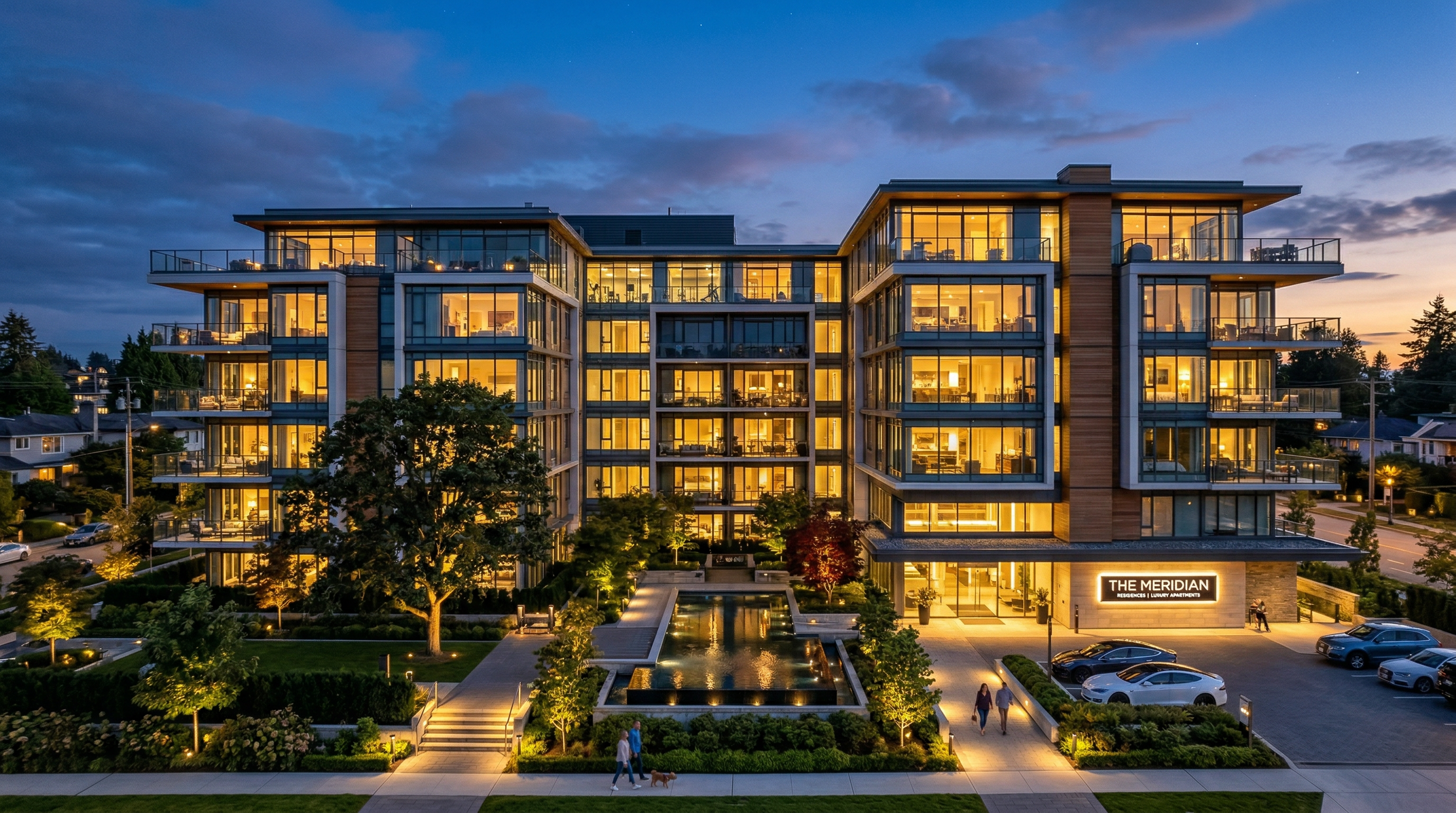
Multifamily residential property (apartments, condos) depreciates over 27.5 years rather than 39 years — already faster than commercial. Cost segregation further accelerates this by reclassifying interior components, site improvements, and appliances to 5-7-15 year lives. For a 50-unit apartment complex, this can generate hundreds of thousands in first-year deductions.

"The combination of cost segregation + bonus depreciation + REP status is the most powerful triple stack in real estate tax planning. Used together, they can create enough paper losses to offset six figures or more in ordinary income."

Case Study December 10, 2024

Medical Office Cost Segregation: A Case Study in Strategic Savings

7 min read
Medical Office Cost Segregation
$2.8M
Building Value
$340K
First-Year Savings
22x
Study ROI

The Property

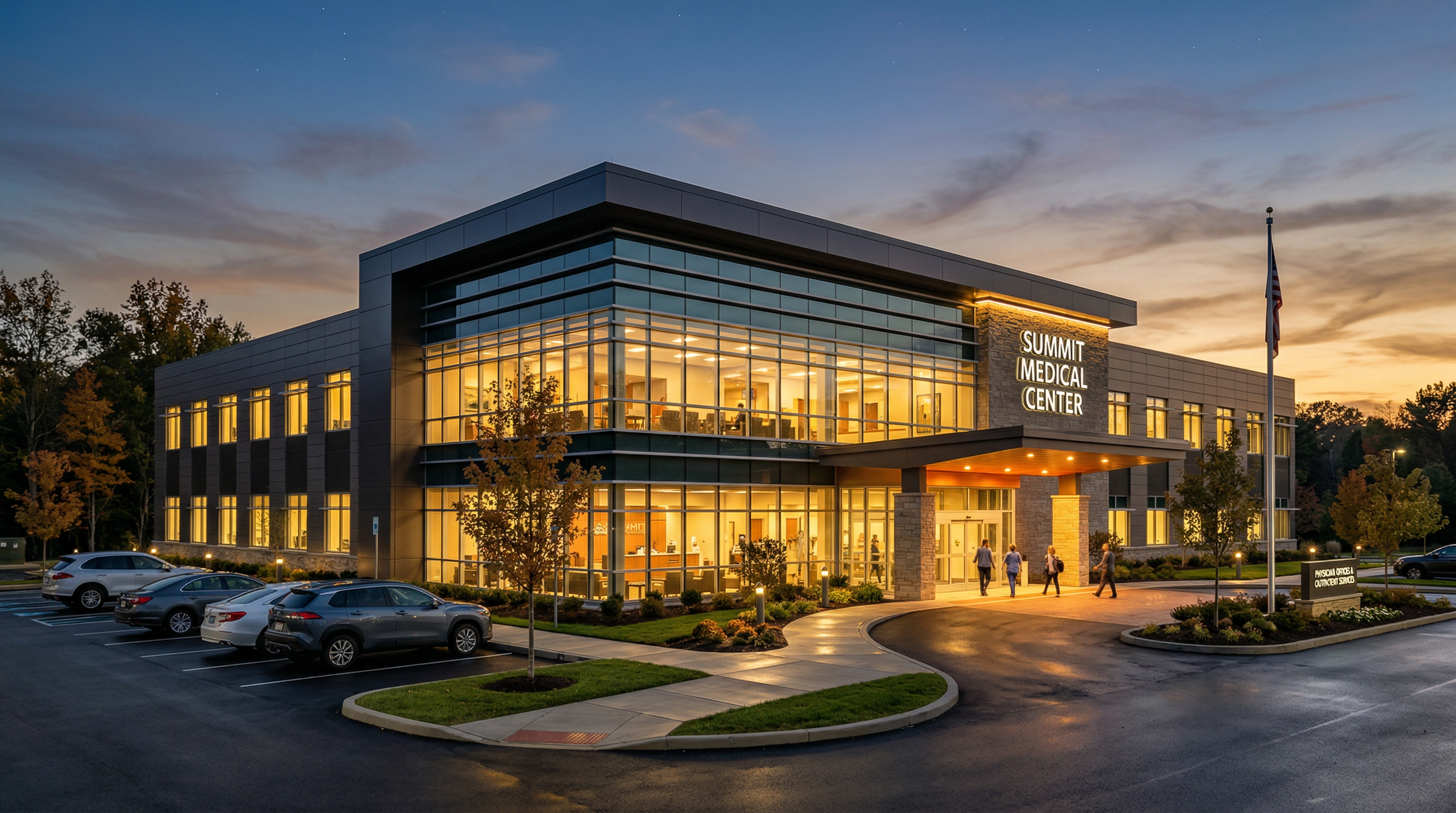
A 12,000 square foot medical office building in the Gulf Coast region, purchased for $2.8 million and placed in service in early 2023. The property includes specialized medical exam rooms, diagnostic imaging space, a procedure suite, and standard administrative offices.

The Analysis

Our engineering team conducted a comprehensive cost segregation study, analyzing the building's construction documents, lease agreements, and component-by-component specifications. Medical office buildings are particularly advantageous for cost segregation because of the significant specialized electrical, plumbing, and medical gas systems installed throughout.

Results

The study reclassified 42% of the building's value — over $1.17 million — into accelerated depreciation categories. Combined with 60% bonus depreciation in 2024, the client generated $340,000 in first-year tax deductions, resulting in over $125,000 in actual cash tax savings.

"When Dr. Shaddix saw the numbers, he was genuinely stunned. His accountant had never mentioned cost segregation. The study paid for itself 22 times over in year one alone."

Takeaway

Medical facilities — from small practices to large healthcare campuses — consistently rank among the highest-yield properties for cost segregation. If you own or are purchasing medical real estate, a cost segregation study is essentially mandatory tax planning.

Energy November 5, 2024

179D Energy Deductions for Commercial Buildings: Up to $5 Per Square Foot

9 min read
179D Energy Deductions

What is the 179D Deduction?

Section 179D of the tax code provides a deduction of up to $5.00 per square foot for energy-efficient commercial buildings. The Inflation Reduction Act of 2022 dramatically expanded this deduction — more than doubling the potential benefit and broadening who can claim it.

Who Can Claim 179D?

Commercial building owners who have installed energy-efficient systems including HVAC, lighting, and building envelope improvements can claim 179D. Additionally, designers of qualifying government and tax-exempt entity buildings — including architects, engineers, and contractors — can receive an allocation of the deduction from the building owner.

Qualifying Systems

  • HVAC and hot water systems meeting specific energy efficiency standards
  • Interior lighting systems with qualifying efficiency ratings
  • Building envelope improvements (insulation, windows, doors)
  • Combination of all three systems for maximum deduction

"A 50,000 square foot office building with qualifying energy systems could receive a 179D deduction of $250,000. Combined with cost segregation, the total first-year deductions can be extraordinary."

Combining 179D with Cost Segregation

These two strategies are not mutually exclusive — they target different components and work together powerfully. Cost segregation accelerates depreciation on structural components; 179D provides an immediate deduction for energy-efficient systems. Smart tax planning deploys both simultaneously for maximum benefit.

R&D October 18, 2024

R&D Tax Credits: Innovation Meets Tax Strategy — It's Not Just for Tech Companies

8 min read
R&D Tax Credits

The Biggest Misconception in Tax Planning

Most business owners think R&D tax credits are reserved for biotech companies and Silicon Valley startups. This is one of the most costly misconceptions in the tax planning world. The R&D credit — Section 41 of the tax code — applies to any business that engages in activities to develop or improve processes, products, formulas, or techniques, even if the work is entirely internal.

Who Actually Qualifies?

The qualifying industries are far broader than most realize. Construction companies developing proprietary building techniques qualify. Restaurant operators who develop new recipes or processes qualify. Manufacturing companies improving production efficiency qualify. Engineering firms designing new systems qualify. Even software development for internal use often qualifies.

  • Construction: New structural systems, custom building techniques
  • Manufacturing: Process improvements, quality control systems
  • Healthcare: Medical device design, clinical workflow software
  • Food service: Recipe development, preparation process innovation
  • Real estate: Proprietary development techniques, sustainable building methods

"One of our manufacturing clients received $180,000 in R&D credits for improvements they'd been making to their production line for years — activities they never imagined qualified. The credit was available retroactively for 3 years."

How Much Is the Credit Worth?

The R&D credit is generally equal to 20% of qualifying expenditures above a base amount, or 14% under an alternative simplified calculation. For many mid-size businesses, this translates to $50,000–$500,000 in annual credits. Unlike deductions that reduce taxable income, credits reduce tax liability dollar for dollar — making them extraordinarily valuable.

Ready to Stop Overpaying?

These strategies are only valuable if you actually implement them. Get your free analysis today.

Request Your Free Tax Savings Proposal